

The Responsibility of Being Understood.
Is the audience wrong or am I bad at this?

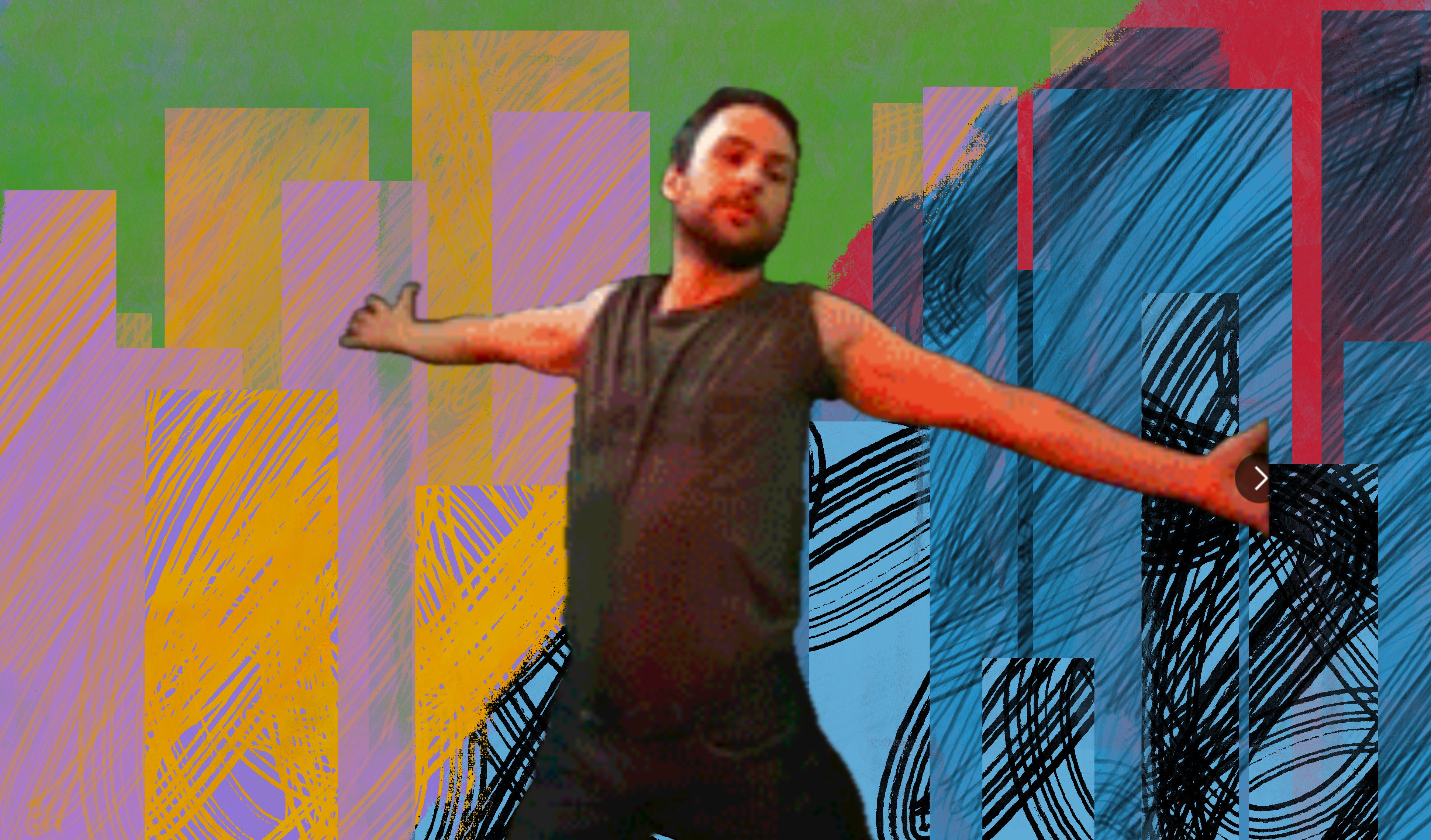
In 2023, It’s Always Sunny in Philadelphia star Charlie Day released his directorial debut, Fool’s Paradise, a satirical comedy about a down-on-his-luck Hollywood publicist. In press appearances leading up to the release, you can see Day’s excitement. He spent nearly a decade working on and off on the project as the writer, director, producer, and star. Versions came and went. Day called in favors from many of his Hollywood contacts, and he slogged, fought, and pushed through the disruption of the pandemic.
Come May 2023, Day’s film releases within a week of Blackberry, the soon-to-be critically acclaimed dramatic debut of Day’s longtime costar and friend, Glenn Howerton. Fool’s Paradise, however, bombs. It made less than a million at the box office. Devastating reviews piled on from both critics and audiences alike, today sitting at a 20% positive score on Rotten Tomatoes. Even dedicated fans of Day’s then-15-season-long sitcom found little positive to say about it in threads on the show’s Reddit page.
Day put his heart on a plate. People kicked it out of his hand and let it fall amongst clattering ceramic shards.
"Well, this is the more interesting filmmaker conversation to have,” Day said in an interview with American director Pete Chatmon. “Because otherwise all you're hearing is about people's successes.”
In that interview, released only a month after Fool’s Paradise hit theatres, Day did, in fact, stand by his work and believed it would find its audience in time. He expressed frustration over the negative reception to choices that were somewhat out of his control, compromises he needed to make to get the film funded. But importantly, he also openly reckoned with the shortcomings of his creative instincts and the logistical problems that led to the film missing the mark with audiences.
"If I were to do it over again," he said. “I would take that original 2014 draft and I would bounce it off so many of my writer friends... If I was getting a lot of dead ends, and I didn't see a way through it on my own, I would have just brought on another writer like ‘get your goddamn ego out of it. And just co-write this.'"
There's a lot I admire about Day's response. You’ll often see fans of a poorly received work claim that everyone else simply didn’t get it. Sometimes they are right. The feckless cowards of 1982 gave overwhelmingly negative reviews to John Carpenter's now beloved The Thing (They also elected Reagan, the bastards). But often, a work has failed to connect with audiences because of gaps in technical storytelling and production skills.
We’ve had much discussion in this letter about ignoring outside influences in early drafts. Many artists need first to create without restriction as they approach a project, being as a child among a field of infinite crayons. But as fellow essayist Michael Dean said, “At a certain point, you need to make the flip and take responsibility for being understood. You write the first draft for yourself, but you write the second draft for a stranger.”
In that same interview, Charlie Day says that the next chance he gets to make a movie, he doesn’t want to do something more inherently commercially viable; he wants to make movies like Fool’s Paradise. But he was also mature enough to acknowledge that next time he does, he’ll need to surround himself with people who can help him make the best version of that movie. Day could have purely doubled down here, as many wounded creatives have, but he instead seems to have the humility to see the gap between intent and execution.
…
In the second draft, you need to cut away big elements that are overstuffing the work, expand and explore your metaphors and motifs, and sand the edges of your rough exposition. Through all of the technical bedazzling elements, nothing is more important, though, than stepping outside of yourself and making sure there is a path into your mind that at least a few audience members can take. It’s great to have an awesome, well-decorated house with a funky rug, but often writers will get too excited by their own ideas and close the door behind them while only one or two people made it inside.
My dear friend Ashen often looks over my essays for feedback. It’s a big help, but I’ve also realized that our brains are the same kind of wrong. We can usually bridge the same mental gaps in my writing that other editors will be confused by. Ash read a draft of my Black Male Scholarship Pageant essay, and we both agreed that it was ready to submit. But it was not until I had editors who knew me from different contexts impart their takeaways that I realized the essay was more flippant than I wanted.
My gut reaction was to dig in. "If people don't get it, then whatever," I thought. But upon reflection, Ash and I were filling in emotional context that wasn't present on the page. I went in again to add more clarity. The piece was better for it.
The factors outside of your control scale for larger projects, but I think it would benefit many writers to ask themselves, Is the audience stupid, or do you not yet have the skills to best communicate your thoughts? With Fool's Paradise, Day, famous for his iconic voice, chose to portray a silent character in the film with no discernible wants. He knew that would be a hard ask, and he's glad some people met that choice openly. But it seems he understands that there’s likely a version of Fool’s Paradise, with that same choice that connected with more people by way of a better execution.
With success stories and conventional art wisdom, we hear no end of believe-in-yourself and ignore-it-all mantras, but in those truths, we can’t denigrate the place of craft. I’ve always appreciated writer Timothy Hickson’s framing of this dilemma. “An author owes no obligation in their work other than to write the story they wish to read,” he says. "There are writing techniques to make for a more satisfying story, one that might be published. But that isn’t always the end goal of an author. Authors can write stories for any number of reasons: mental health, personal fulfillment, to express one’s love of another story (as in fanfiction), or writing for another person (like Rick Riordan, who originally wrote Percy Jackson and the Lightning Thief for his son Haley, who has ADHD and dyslexia).”
You can do anything you want with your art, but you need to have the humility to draw the line between your wants and your goals, and refine your skills so people can understand what the hell you're talking about.
If people reject what you give them, I hope you can pick the pieces up, glue your plate back together, and next time, hold your dish a bit higher so that you can only be taken down, by like, a sweet jump kick or something.
-
-
Read more words!


